


The Hidden Architecture of a Home: Why Experience Trumps Trends
When planning a home interior, it is easy to get caught up in superficial details—picking paint colors, scrolling through social media for inspiration, or looking at beautifully staged photos. Many people assume interior design is simply a matter of buying furniture and choosing decor.
Anyone can copy a design from a magazine or a website. Yet, a photo cannot teach you how a room handles light, how air circulates, or how a space will actually function when a family lives in it day after day.
True interior design is not cosmetic; it is structural and psychological. With over 25 years of hands-on design and civil engineering experience, we have learned that the most critical parts of a home are the things you do not notice at first glance.
Designing for Real Life, Not Photos
A massive trend in modern layout design is knocking down every wall to create completely open spaces. While this looks incredibly spacious in a 3D render, it often creates real-world headaches—uncontrollable echoing, zero privacy, and major challenges when trying to cool a specific area efficiently.
An experienced designer does not just clear out a space; they understand how to balance openness with function. By playing with subtle ceiling levels or strategically positioning layout transitions, it is possible to make a large room feel incredibly grand while ensuring it remains comfortable, quiet, and practical for daily living.
For example, when optimizing residential layouts here in Chennai, we frequently use layered ceiling designs with recessed cove lighting. This architectural trick visually separates a shared living and dining area without erecting heavy physical walls, ensuring the home feels expansive yet intimate.

Solving Problems Before They Cost Money
The biggest difference between an amateur approach and a veteran designer is foresight. A beautiful concept on a computer screen does not have to deal with building columns, plumbing lines, or complex electrical routing.
When looking at a blank floor plan, our creative focus shifts to solving structural puzzles. How do we hide an awkwardly placed support pillar? How do we maximize natural sunlight in a dark corner without creating intense glare?
In our practice, we don't look at a building column as an obstacle. On a recent project with a challenging structural layout, we integrated multiple necessary support columns into the design, turning them into elegant room dividers and custom display areas. True engineering and design expertise lies in making these heavy, technical solutions look entirely effortless and intentional to the untrained eye.
The Balance of Space
A common mistake when furnishing a home is over-packing the layout. People often buy beautiful, individual pieces of furniture only to realize later that they completely choke the movement and flow of the room.
A room needs breathing room. True luxury in design is not about how much stuff you can fit into a square foot; it is about the balance of empty space. Leaving the right amount of open, minimal area allows traffic to flow naturally through spaces like the kitchen and living room, creating an immediate sense of calm and order the moment you walk through the door.

Creativity is a Logic Puzzle
An interior designer should not just be a coordinator who hands you a standard catalog. We view ourselves as your technical and artistic partners—analyzing how light moves through your space during different times of the day, how air flows naturally, and how your family will move and interact within the rooms. This is where decades of experience truly trumps temporary trends.
Experience in interior design means anticipating structural problems before they arise and solving them with elegant, turnkey solutions. It means creating homes that are not just beautiful, but comfortable, efficient, and enduring.
The next time you plan your home interior, remember that trends come and go, but structural logic builds spaces that last.
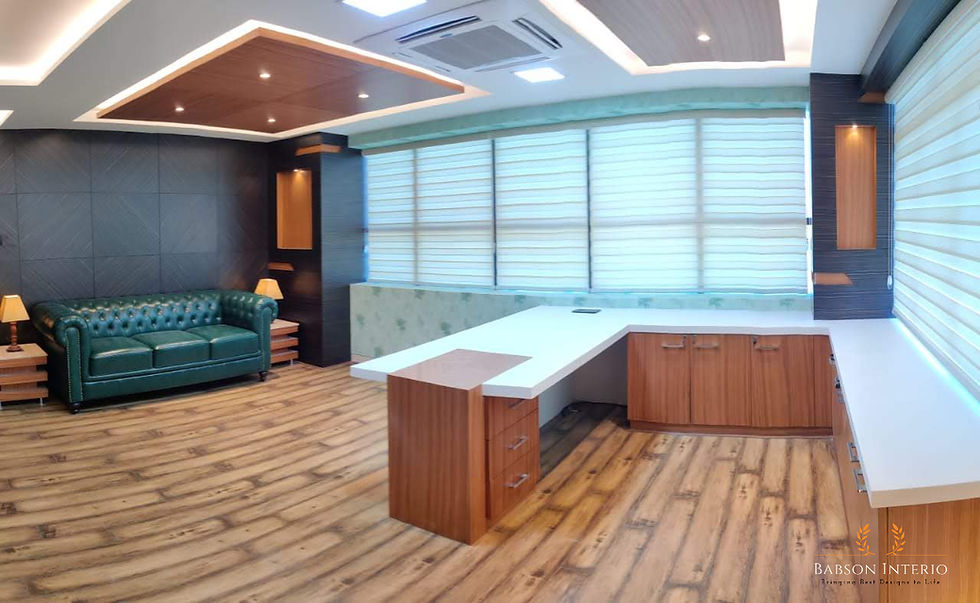
Experience in interior design means anticipating problems before they arise and solving them with elegant, practical solutions. It means creating homes that are not just beautiful but also comfortable, efficient, and enduring.
When you choose a design partner like Babson Interio, you are investing in more than just style. You are investing in a home that works for you every day, a home where the hidden architecture supports your life seamlessly.
The next time you plan your home interior, remember that trends come and go, but experience builds spaces that last. Focus on the fundamentals, trust seasoned expertise, and create a home that truly feels like yours.


Comments