


Popular Residential Design Styles: A Comprehensive Exploration
In the realm of interior aesthetics, the art of crafting spaces that resonate with both functionality and beauty has evolved into a sophisticated discipline, where various residential design styles offer a rich tapestry of choices for those seeking to transform their living environments. The journey through these styles reveals a fascinating interplay of history, culture, and personal expression, each style embodying unique characteristics that cater to diverse tastes and preferences. This exploration aims to illuminate the most popular residential interior design styles, providing detailed insights and practical guidance for creating spaces that are not only visually appealing but also deeply personal and inviting.
Exploring Popular Residential Design Styles
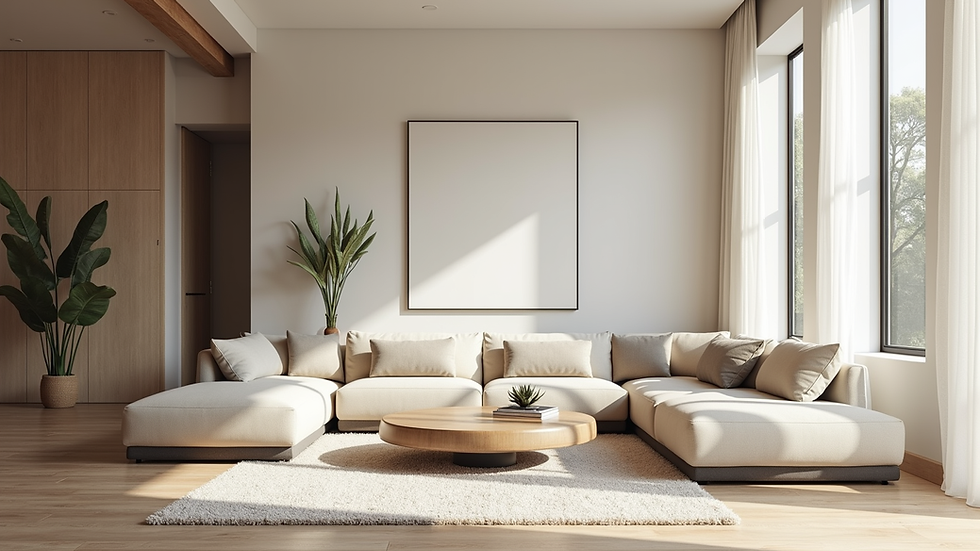
The world of residential interior design is vast and varied, encompassing styles that range from the timeless elegance of classic designs to the sleek minimalism of contemporary trends. Each style carries its own narrative, shaped by distinct elements such as colour palettes, furniture choices, materials, and decorative accents. For instance, the Modern style is characterised by clean lines, neutral tones, and an emphasis on simplicity and functionality, making it ideal for those who appreciate uncluttered, open spaces. In contrast, the Traditional style embraces rich colours, ornate details, and classic furnishings, evoking a sense of warmth and heritage.
Another compelling style is the Industrial design, which draws inspiration from urban lofts and warehouses, featuring exposed brick walls, metal fixtures, and raw, unfinished surfaces. This style appeals to those who favour a rugged, utilitarian aesthetic that celebrates the beauty of imperfection. Meanwhile, the Scandinavian style is renowned for its light, airy spaces, natural materials, and a harmonious blend of form and function, creating environments that are both cosy and modern.
For those who prefer a more eclectic approach, the Bohemian style offers a vibrant mix of colours, patterns, and textures, reflecting a free-spirited and artistic lifestyle. This style encourages the use of handcrafted items, vintage pieces, and an abundance of plants, resulting in a lively and personalised space. Similarly, the Mid-Century Modern style, with its iconic furniture designs, organic shapes, and bold colours, continues to captivate enthusiasts who appreciate a retro yet timeless appeal.
Understanding the Core Elements of Residential Design Styles
To truly appreciate and implement any residential design style, it is essential to understand the core elements that define them. These elements include colour schemes, furniture styles, materials, lighting, and decorative accessories. For example, colour schemes can range from the muted, earthy tones of rustic designs to the vibrant, contrasting hues found in eclectic interiors. Furniture styles vary widely, from the sleek, low-profile pieces of modern design to the ornate, carved wood furnishings typical of traditional homes.
Materials play a crucial role in setting the tone of a space. Natural materials such as wood, stone, and leather are often used in rustic and Scandinavian styles, while metals and glass are prevalent in industrial and contemporary designs. Lighting, both natural and artificial, enhances the ambiance and functionality of a room, with styles like modern design favouring recessed lighting and minimalist fixtures, whereas traditional interiors might incorporate chandeliers and sconces.
Decorative accessories, including artwork, textiles, and plants, add personality and depth to interiors. The choice of accessories should complement the overall style, whether it is the sleek, abstract art in a modern home or the intricate tapestries in a bohemian setting. By carefully selecting and combining these elements, one can create a cohesive and harmonious environment that reflects the chosen residential design style.
What are the 7 basics of interior design?
In the pursuit of mastering residential interior design styles, it is imperative to grasp the seven fundamental principles that underpin effective design. These basics serve as the foundation upon which all successful interiors are built, ensuring balance, harmony, and visual interest.
Balance - Achieving a sense of equilibrium in a room by distributing visual weight evenly. This can be symmetrical, asymmetrical, or radial.
Rhythm - Creating a flow through repetition, progression, or contrast of elements such as colour, shape, or texture.
Emphasis - Establishing a focal point that draws attention, such as a striking piece of furniture, artwork, or architectural feature.
Proportion - Ensuring that the size of objects relates well to each other and to the space, maintaining a pleasing scale.
Scale - The size of objects in relation to the human body and the room, which affects comfort and usability.
Harmony - The cohesive blending of all design elements to create a unified and pleasing whole.
Details - The small touches that add character and personality, including trims, finishes, and accessories.
By applying these principles thoughtfully, one can navigate the complexities of various residential interior design styles with confidence and creativity, resulting in spaces that are both beautiful and functional.
Practical Recommendations for Implementing Residential Design Styles
When embarking on the journey to design or redesign a residential space, it is beneficial to approach the process methodically, considering both aesthetic preferences and practical needs. The following recommendations offer actionable steps to achieve a successful outcome:
Define the Purpose and Functionality: Understand the primary use of each room and tailor the design to support those activities. For example, a living room designed for entertaining may require ample seating and open space, while a home office needs ergonomic furniture and adequate lighting.
Select a Cohesive Colour Palette: Choose colours that complement each other and suit the desired mood. Neutral tones often provide a versatile backdrop, while accent colours can add vibrancy and interest.
Invest in Quality Furniture: Prioritise pieces that offer comfort, durability, and style. Consider the scale and proportion to ensure they fit well within the space.
Incorporate Textures and Patterns: Use a variety of materials and fabrics to add depth and tactile interest, such as plush rugs, woven throws, or patterned cushions.
Maximise Natural Light: Arrange furniture to take advantage of windows and use light, airy curtains to enhance brightness.
Personalise with Accessories: Display artwork, photographs, and collectibles that reflect individual tastes and stories.
Plan for Storage: Integrate smart storage solutions to maintain a clutter-free environment, which is essential for most design styles.
These recommendations, when adapted to specific residential interior design styles, can transform any space into a harmonious and inviting home.

The Enduring Appeal of Residential Interior Design Styles
The enduring appeal of various residential interior design styles lies in their ability to adapt and evolve while maintaining core characteristics that resonate with individuals’ desires for comfort, beauty, and self-expression. Whether one is drawn to the sleek sophistication of modern design, the nostalgic charm of traditional interiors, or the eclectic vibrancy of bohemian spaces, each style offers a unique pathway to creating a home that is both functional and inspiring.
In the context of Chennai’s dynamic urban landscape, where cultural heritage meets contemporary innovation, the thoughtful application of these styles can result in spaces that are not only aesthetically pleasing but also culturally relevant and sustainable. By embracing the principles and elements discussed, and by considering the specific needs and preferences of the inhabitants, it is possible to craft interiors that stand the test of time and continue to delight for years to come.
For those seeking to explore further, the concept of residential interior design styles provides a valuable resource, offering inspiration and expert guidance tailored to diverse tastes and requirements. Through careful planning, creative vision, and attention to detail, the transformation of residential spaces into personalized sanctuaries becomes an achievable and rewarding endeavour.


Comments